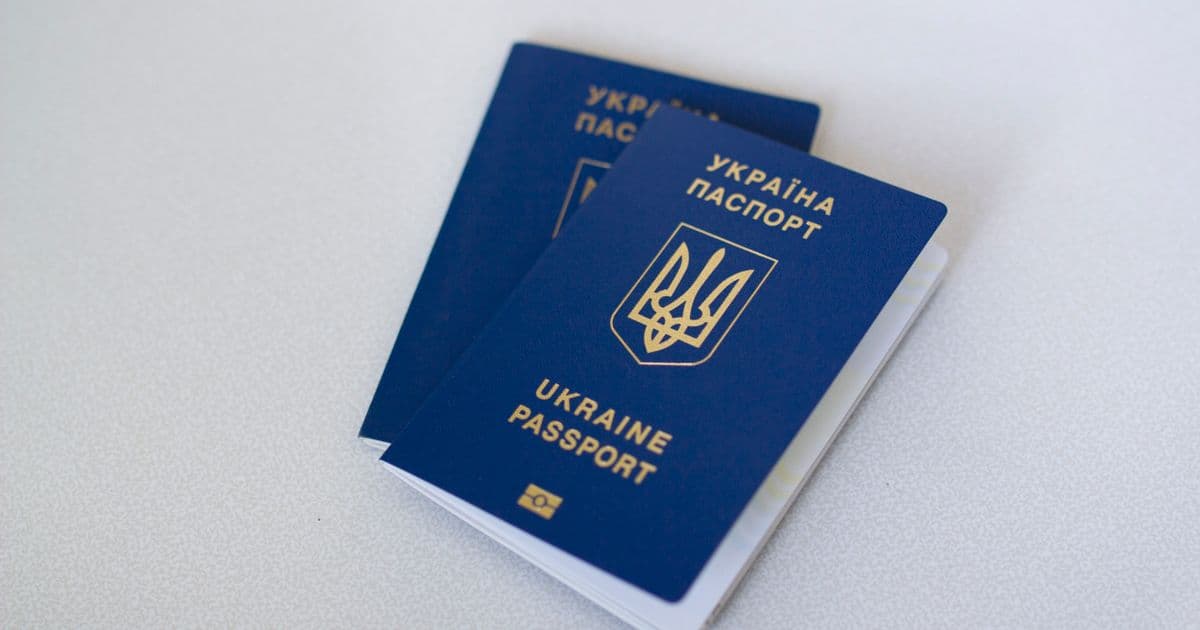
Sweden has allowed dual and multiple citizenship without restriction since 1 July 2001. Migrationsverket — the Swedish Migration Agency — enforces one set of rules on your Swedish citizenship application. A separate, entirely different set of rules, set by your country of origin, decides whether you keep that citizenship afterward. Reading "Sweden allows dual citizenship" as "nothing about your other citizenship can go wrong" misses that the real variable sits outside Sweden's control. If you are still working through the permit route that precedes naturalization, dual citizenship questions only become relevant once that earlier stage is behind you. This guide sets out what Migrationsverket checks on your naturalization application, and what it states plainly it does not check. It also covers what the citizenship rules from 6 June 2026 changed, and did not change, if you hold or are seeking a second passport.
Sweden's dual citizenship rule since 1 July 2001
Since 1 July 2001, Sweden has permitted dual and multiple citizenship without restriction. Before that date, a Swedish citizen who acquired another country's citizenship generally lost Swedish citizenship, with limited exceptions such as a second citizenship acquired automatically at birth. The reform is the current Citizenship Act itself, lag (2001:82) om svenskt medborgarskap, whose transitional provision reads "Denna lag träder i kraft den 1 juli 2001" and which contains no provision stripping Swedish citizenship from someone who acquires another. That single change is the reform baseline for every rule this guide covers, including the ones that apply to your own application.
If you lost Swedish citizenship under the older, narrower law, the 2001 reform opened a route back for you. Sweden Abroad's guidance describes affected people regaining citizenship through a notification process available until 1 July 2003, with a further route added by a 1 April 2015 amendment. Nothing in the 6 June 2026 reform, covered later in this guide, revisits or narrows the 2001 baseline you rely on today.
What Migrationsverket checks when you apply for Swedish citizenship
Your Swedish citizenship application is checked against Sweden's own residence, income, language and society-knowledge, and conduct requirements. It is not checked against the citizenship law of your other country. Migrationsverket administers hemvist — habitual residence, meaning residence in Sweden with the intention of staying — as the core residence test, alongside a self-support income test and, for most adults, a language and society-knowledge test.
Migrationsverket's waiting-times page states that 75 percent of recently decided "Citizenship for adults" cases are decided within 54 months, so budget roughly that long if you are applying now. That page updates monthly, so recheck the figure against the live page rather than treating it as fixed.
Residence (hemvist) required, by category, from 6 June 2026
| Category | Hemvist required |
|---|
| General rule | 8 years |
| Refugees | 7 years |
| Spouse, partner or cohabitant of a Swedish citizen | 7 years |
| Stateless persons | 5 years |
Alongside hemvist, the income test requires at least three income base amounts a year, SEK 250,200 for 2026, approximately SEK 20,850 a month before tax, earned from employment or self-employment. If you are between 16 and 66, the language and society-knowledge test also applies to you; its society-knowledge part is scheduled to begin in August 2026. None of these tests reference your other citizenship at any point.
What Migrationsverket does not check: your other country's citizenship law
Migrationsverket states outright that finding out whether your country of origin allows dual citizenship is your own responsibility, not something Migrationsverket verifies. Its own page on what Swedish citizenship means says: "You must find out for yourself whether your country of origin allows dual citizenship." That sentence is the operative boundary this guide is built around: Migrationsverket assesses Sweden's own requirements and stops there.
This matters most if you come from a country with automatic-loss rules, where naturalizing as Swedish can trigger loss of your original citizenship without any separate renunciation step. Migrationsverket's process will not flag that risk, will not pause your application over it, and will not ask about it. The full naturalization requirement chain, from permit to citizenship covers every check Migrationsverket does perform. Your home country's citizenship law sits entirely outside that chain, and you need to check it separately, with that country's own embassy or consulate.
If your country of origin does not allow dual citizenship
Sweden's side of the transaction never requires you to renounce a previous citizenship. Whether you keep that other citizenship after naturalizing as Swedish depends entirely on the other country's own law, not on any condition Sweden imposes. Migrationsverket's guidance uses conditional language throughout: you, as a new Swedish citizen, "can retain your previous citizenship if the law in the other country allows it."
The same page notes plainly that some countries' legislation does not allow dual citizenship. If you come from such a country, naturalizing as Swedish can mean automatic loss of your original citizenship under that country's own rules, entirely independent of anything Migrationsverket does or requires. If you come from a country with no such restriction, both citizenships continue without any extra step on the Swedish side. The branch depends on your other country's law, not on Sweden's.
A Swedish citizen who acquires another citizenship
The rule runs both directions. If you are a Swedish citizen and you naturalize in another country, you keep Swedish citizenship, again conditional on the other country's own law rather than any Swedish requirement. Sweden Abroad states this directly: "As of July 1, 2001, a Swedish citizen who acquires citizenship in another country will be allowed to keep the Swedish citizenship, if the other country permits it."
This symmetry is the direct counterpart of the rule covered earlier for new Swedish citizens: Sweden imposes no renunciation condition in either direction. A separate, later change affects how children acquire Swedish citizenship rather than how adults keep it. A child born after 1 April 2015 acquires Swedish citizenship automatically if either parent is Swedish at the time of birth, or if a deceased parent held Swedish citizenship at death. Retaining Swedish citizenship as an adult carries other consequences beyond the passport itself, including the voting rights that follow Swedish citizenship in national elections.
What the 6 June 2026 citizenship rules changed, and did not change, for dual citizenship
The rules that took effect on 6 June 2026 apply to every pending and future citizenship application, with no transitional arrangements. Migrationsverket's own announcement is explicit: "The new rules for applications will apply from 6 June without any transitional arrangements. [...] This also applies if you applied before that date and your case has not been decided before 6 June." If you filed years ago under the old thresholds, Migrationsverket assesses your application under the new ones if it is still undecided on that date.
Migrationsverket's published list of changes covers five areas: residence years by category, the income requirement, and the qualifying period following a criminal conviction. The list also covers the rollout of the language and society-knowledge test, and one application per child instead of inclusion in a parent's file. Dual citizenship does not appear among them. The 6 June 2026 citizenship changes sets out those five areas in full. None of them touch the 2001 rule covered earlier in this guide.
Sweden's dual citizenship position has not moved since 2001
The 2001 reform removed the restriction on dual and multiple citizenship, and nothing in the 6 June 2026 rules revisits it. Migrationsverket never requires you to renounce a previous citizenship, and whether you keep that citizenship is a question for the other country's own law, not for Sweden. The 6 June 2026 changes raised the residence, income and language requirements that Migrationsverket does administer, with no transitional protection for pending applications, while leaving the dual citizenship rule untouched. Citizenship also does not replace the personnummer and BankID chain that your everyday life in Sweden still runs on.
Frequently asked questions
If your country of origin does not allow dual citizenship, does Migrationsverket check before approving your Swedish citizenship?
No. Migrationsverket states that finding out whether your country of origin allows dual citizenship is your own responsibility. It does not verify this as part of your citizenship application.
Did the rules that took effect on 6 June 2026 change whether you can keep your other citizenship?
No. The published changes cover residence years, income, the criminal qualifying period, language and society-knowledge testing, and one application per child. Dual citizenship is not among the areas Migrationsverket lists as changed.
If you already hold another country's citizenship, does Sweden require you to renounce it to naturalize?
No. Migrationsverket does not require you to give up a previous citizenship to become Swedish. Whether you can keep that other citizenship depends on the other country's own law, not on any Swedish condition.
This is not addressed in the Migrationsverket or Sweden Abroad pages reviewed for this guide. Migrationsverket's decision-notification page states only that it informs the Swedish Tax Agency after your approval; it makes no statement about notifying any foreign government. Confirm this directly with Migrationsverket rather than treating either answer as established.
Sources